
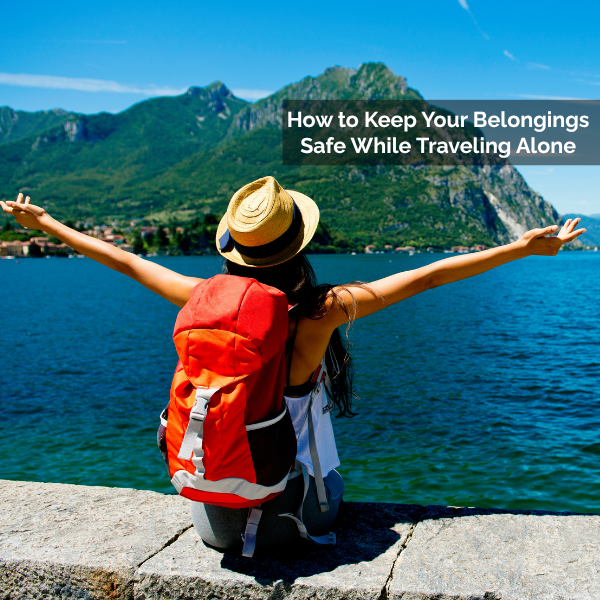
Traveling alone can feel exciting, peaceful, and empowering. You can choose your own schedule, explore at your own pace, and enjoy the freedom of making every decision for yourself. But when you travel solo, you are also responsible for keeping your belongings safe.
Your passport, phone, wallet, cards, luggage, and travel documents are more than just items. They help you move from place to place, check into accommodation, contact people, use maps, and handle emergencies. Losing one of them can turn a smooth trip into a stressful experience.
The good news is that you do not need to travel with fear. You simply need smart habits, a little planning, and a few practical travel items that help you stay organized. This guide will show you how to keep your belongings safe while traveling alone, whether you are taking your first solo trip, staying in hostels, using public transportation, or exploring busy cities.
Why Belonging Safety Matters More When You Travel Alone
When you travel with someone else, one person can watch the bags while the other buys tickets, checks directions, or uses the restroom. When you travel alone, everything stays with you.
That means you need a simple system for:
- Keeping valuables close
- Separating backup money and cards
- Protecting your passport
- Securing luggage in shared spaces
- Avoiding pickpocketing situations
- Keeping your phone charged and accessible
- Storing important documents safely
The goal is not to become paranoid. The goal is to make small smart choices that reduce stress and help you enjoy your trip with more confidence.

Start With a Simple Belongings Safety System
Before you even leave home, decide where your most important items will go. This makes travel days easier because you are not constantly searching through your bag.
Divide Your Belongings Into Three Groups
A simple system is to divide your belongings into:
- Daily essentials
These are items you need often, such as your phone, wallet, room key, small cash, lip balm, hand sanitizer, and transport card. - Important travel documents
These include your passport, visa documents, boarding passes, accommodation details, insurance information, and emergency contacts. - Backup items
These include backup cash, an extra card, copies of documents, and emergency contact details.
Do not keep everything in one place. If your wallet is lost, you do not want your backup card and all your cash to disappear with it.
Use a Secure Day Bag
Your day bag is one of the most important items for solo travel. It should be comfortable, practical, and easy to keep close to your body.
What Makes a Good Travel Day Bag?
Look for a bag with:
- Secure zipper closure
- Comfortable crossbody strap
- Lightweight design
- Organized compartments
- Enough space for daily essentials
- Easy access without being too open
- A size that does not feel bulky
A crossbody bag is often better than a shoulder bag because it stays closer to your body and is harder to slip off unnoticed. In crowded places, keep the bag in front of you instead of behind you.
Helpful Travel Gear Suggestion: Anti-Theft Crossbody Bag

Best For: Solo travelers, solo female travelers, city sightseeing, public transportation, airports, and crowded tourist areas.
What to Look For: Secure zippers, a comfortable crossbody strap, organized pockets, lightweight material, and enough room for your phone, wallet, passport copy, and small essentials.
Why It Helps: An anti-theft style crossbody bag can help keep your belongings close and easier to manage while walking through busy streets, markets, stations, or tourist attractions.
Keep Your Passport Safe
Your passport is one of the most important things you carry when traveling internationally. It should be protected carefully, but you also need to access it during airport days, border crossings, and hotel check-ins.
Passport Safety Tips
Use these habits:
- Keep your passport in a secure travel wallet on travel days
- Store it safely at your accommodation when you do not need it
- Carry a copy instead of the original when possible
- Keep digital copies in a secure cloud folder or email
- Do not leave it loose in an outside pocket
- Avoid handing it over unless required by official staff or accommodation rules
- Keep it away from liquids, food, and open toiletry items
If your accommodation has a safe and you trust it, you may choose to store your passport there. If not, keep it hidden inside your locked luggage or in a secure inner bag compartment.
Helpful Travel Gear Suggestion: Travel Wallet or Passport Holder

Best For: International travel, airport days, border crossings, and keeping documents organized.
What to Look For: Passport slot, card pockets, zipper closure, slim design, strong stitching, and enough room for boarding passes or cash.
Why It Helps: A travel wallet keeps your passport, cards, cash, and booking details in one organized place so you are not digging through your bag during check-in, security, or hotel arrival.
Separate Your Money and Cards
One of the smartest ways to protect your belongings while traveling alone is to avoid keeping all your money in one place.
How to Carry Money Safely
Use a simple money system:
- Keep small daily cash in your main wallet
- Keep one backup card separate from your wallet
- Store emergency cash in a different bag compartment
- Avoid carrying large amounts of cash
- Use ATMs in safe, well-lit areas
- Put cash away before leaving the ATM area
- Do not count money openly in public
If you are traveling internationally, bring more than one payment option if possible. A backup card can be helpful if your main card is blocked, lost, or damaged.
Helpful Travel Gear Suggestion: Hidden Money Belt or Neck Pouch

Best For: Backup cash, extra cards, passport copies, and long travel days.
What to Look For: Slim design, soft fabric, adjustable strap, lightweight feel, and comfortable fit under clothing.
Why It Helps: A hidden money belt or neck pouch can keep backup items separate from your main wallet. It is best used for emergency storage, not as your everyday wallet.
Protect Your Phone
Your phone is one of your most important solo travel tools. It holds your maps, booking confirmations, translation apps, transport apps, photos, payment apps, and emergency contacts.
Phone Safety Tips for Solo Travelers
To protect your phone:
- Keep it in a secure pocket or zipped bag compartment
- Avoid walking with it loosely in your hand in crowded places
- Use a wrist strap or phone lanyard if helpful
- Do not leave it on café tables
- Keep it charged during travel days
- Use a screen lock
- Back up important photos and documents
- Download offline maps before leaving Wi-Fi
Be especially careful in crowded markets, buses, trains, and busy tourist areas where phone theft can happen quickly.
Helpful Travel Gear Suggestion: Portable Charger

Best For: Long travel days, airports, maps, transportation apps, translation tools, and emergency communication.
What to Look For: Compact size, reliable battery capacity, fast charging, and compatibility with your phone.
Why It Helps: A portable charger helps keep your phone available for navigation, bookings, emergency contacts, and communication when you are away from your accommodation.
Secure Your Luggage
Your main luggage should be easy to identify, easy to close, and secure enough for normal travel situations. A lock will not make luggage impossible to open, but it can help discourage casual access and keep zippers from opening accidentally.
Luggage Safety Tips
Use these simple habits:
- Keep valuables out of checked luggage
- Use a luggage lock when appropriate
- Keep your bag close in stations and airports
- Avoid leaving bags unattended
- Use luggage storage only from trusted places
- Add a luggage tag with limited contact information
- Take a photo of your bag before checking it
- Keep medication and important documents in your personal item
If you are using buses or trains, try to keep your most valuable items with you instead of storing them underneath or far away.
Helpful Travel Gear Suggestion: TSA-Approved Luggage Lock

Best For: Suitcases, backpacks, hostel lockers, luggage storage, buses, trains, and shared accommodation.
What to Look For: TSA-approved design if needed, resettable combination, sturdy body, small size, and easy-to-use locking system.
Why It Helps: A travel lock can help secure luggage zippers and lockers while giving you extra peace of mind during travel days.
Use Packing Organizers to Avoid Losing Small Items
Sometimes belongings are not stolen. They are simply lost inside your own bag. Packing organizers help prevent that.
Why Organization Helps With Safety
When your bag is organized, you can quickly find:
- Passport
- Wallet
- Phone charger
- Medication
- Room key
- Cash
- Travel documents
- Toiletries
- Tech cables
This matters because searching through your bag in public can make you distracted. It may also expose your valuables.
Helpful Travel Gear Suggestion: Packing Cubes Set

Best For: Carry-on travelers, overpackers, multi-destination trips, and anyone who wants a neater bag.
What to Look For: Lightweight fabric, different sizes, strong zippers, breathable mesh, and compression options if needed.
Why It Helps: Packing cubes keep clothes and small items organized, making it easier to find what you need without unpacking everything.
Helpful Travel Gear Suggestion: Travel Cable Organizer

Best For: Phone chargers, portable charger cables, adapters, earbuds, and small tech items.
What to Look For: Zipper closure, elastic loops, lightweight design, and enough compartments for your basic travel tech.
Why It Helps: A cable organizer helps keep chargers easy to find, which is important when your phone battery is low or you need to charge quickly.
Be Careful in Crowded Places
Crowded places are where belongings can be easiest to lose or have taken. This does not mean you should avoid popular places. Just stay more aware.
High-Risk Areas for Belongings
Be extra careful in:
- Train stations
- Bus stations
- Airports
- Markets
- Festivals
- Tourist attractions
- Public transportation
- Busy restaurants
- Crowded streets
- Queues and ticket lines
In these places, keep your bag zipped and close to your body. Avoid putting your phone or wallet in your back pocket. If you carry a backpack, consider wearing it in front in very crowded areas.
Keep Your Belongings Safe in Hostels
Hostels can be a great option for solo travelers, but shared spaces require extra organization.
Hostel Belongings Safety Tips
Before booking a hostel, check whether it offers lockers. Bring your own lock if needed.
In hostels:
- Use lockers for valuables
- Do not leave money or documents on your bed
- Keep your phone charging near you if possible
- Avoid leaving electronics unattended in common areas
- Use a small pouch for shower items
- Keep your bag zipped when you are away
- Be friendly, but do not overshare personal details
A hostel with strong recent reviews and good security is usually worth choosing over the cheapest option.
Keep Your Belongings Safe in Hotels and Private Rooms
Hotels and private rooms can feel more secure, but you should still use smart habits.
Hotel Room Safety Tips
When staying in a hotel:
- Lock the door when inside
- Use the deadbolt or chain if available
- Keep valuables out of sight
- Do not leave cash or passports lying around
- Use the room safe if you trust it
- Keep your luggage closed when housekeeping enters
- Avoid saying your room number out loud
- Contact front desk staff if something feels wrong
Helpful Travel Gear Suggestion: Portable Door Lock or Doorstop Alarm
Best For: Solo travelers staying in hotels, guesthouses, hostels, or private rooms.
What to Look For: Compact size, simple setup, clear instructions, and compatibility with common doors.
Why It Helps: A portable door lock or doorstop alarm may add extra peace of mind in some accommodation settings. It should not replace choosing safe accommodation, but it can be a helpful extra item for solo travelers.
Use a Luggage Tracker for Extra Peace of Mind
A luggage tracker can be useful if you check bags, take long bus rides, or travel through multiple cities. It cannot guarantee that lost luggage will be recovered, but it may help you see where your bag is.
When a Luggage Tracker Is Useful
Consider one if:
- You check luggage often
- You travel with connecting flights
- You use buses or trains
- You store luggage during city visits
- You carry expensive travel gear
- You move between many destinations
Helpful Travel Gear Suggestion: Luggage Tracker

Best For: Checked bags, long flights, multi-destination travel, buses, trains, and luggage storage.
What to Look For: Phone compatibility, reliable tracking network, replaceable battery, compact size, and easy app setup.
Why It Helps: A luggage tracker can help you monitor your bag’s location if it is delayed, misplaced, or moved during travel.
Avoid Showing Expensive Items Too Much
You do not need to hide everything, but it is smart to be discreet with expensive items.
How to Be Less Obvious With Valuables
Try to:
- Avoid wearing expensive jewelry in unfamiliar areas
- Keep cameras secure when not using them
- Put your phone away after checking maps
- Use a simple bag instead of flashy luggage
- Avoid counting cash in public
- Keep laptops and tablets out of sight when not needed
This is especially helpful in busy areas where tourists are commonly targeted for petty theft.
Make Digital Backups of Important Information
Digital backups can save you stress if something is lost.
What to Back Up
Save copies of:
- Passport
- Visa documents
- Travel insurance details if applicable
- Flight confirmations
- Accommodation bookings
- Emergency contacts
- Bank phone numbers
- Important medical information
- Driver’s license if needed
Store backups in a secure cloud folder or email account. Also keep one printed emergency contact card in your bag in case your phone is unavailable.
What to Do If Something Gets Lost or Stolen
Even with good planning, things can still go wrong. Stay calm and focus on the next step.
If Your Phone Is Lost
- Use device tracking if available
- Lock or erase the device if needed
- Contact your mobile provider
- Use a backup device or accommodation computer if available
- Contact someone you trust
- Report theft if necessary
If Your Passport Is Lost
- Contact your embassy or consulate
- Report it to local authorities if required
- Use your passport copy to help with replacement
- Contact your airline if travel plans are affected
If Your Card Is Lost
- Freeze or cancel the card through your bank app or phone line
- Use your backup card or emergency cash
- Monitor your account
- Update any travel payments linked to the card
A backup plan makes these situations easier to handle.
Buyer’s Guide: Best Products to Help Keep Belongings Safe
Since this article includes travel safety gear, here is a simple buyer’s guide to help you choose useful items without overpacking.
Choose Items That Solve Real Travel Problems
Before buying anything, ask what problem it solves. Does it help protect your passport, organize your bag, charge your phone, secure your luggage, or separate backup money?
If it does not solve a real problem, skip it.
Choose Lightweight Gear
Solo travelers carry everything themselves. Lightweight gear is easier to manage and less likely to become annoying during the trip.
Check Size and Compatibility
Before buying, check:
- Bag dimensions
- Airline carry-on rules
- Phone compatibility for chargers and trackers
- Lock size for luggage or lockers
- Product weight
- Material quality
- Recent customer photos and reviews
Avoid Overbuying
You do not need every safety product available. A useful starter kit may include:
- Anti-theft crossbody bag
- Travel wallet
- Portable charger
- TSA-approved lock
- Packing cubes
- Cable organizer
- Backup money pouch
- Luggage tracker if needed
Buy based on your trip style, not fear.
Quick Belongings Safety Checklist for Solo Travelers
Use this before your next solo trip:
- Keep passport secure
- Carry passport copies
- Separate cash and cards
- Use a secure day bag
- Keep phone charged
- Download offline maps
- Use luggage locks when helpful
- Keep valuables out of checked bags
- Use hostel lockers
- Avoid leaving bags unattended
- Back up important documents
- Keep emergency contacts offline
- Stay alert in crowded places
- Avoid showing expensive items unnecessarily
- Trust your instincts
FAQs About Keeping Belongings Safe While Traveling Alone
How do I keep my belongings safe while traveling alone?
Use a secure day bag, keep valuables close, separate your money and cards, protect your passport, use luggage locks when helpful, and stay aware in crowded places. Keep digital and paper copies of important documents.
Where should I keep my passport when traveling?
On travel days, keep your passport in a secure travel wallet or inner bag compartment. When you do not need it, store it safely at your accommodation if appropriate. Carry a copy instead of the original when possible.
Is an anti-theft bag worth it for solo travel?
An anti-theft style bag can be useful, especially in crowded cities, tourist areas, and public transportation. At minimum, choose a bag with secure zippers and a comfortable crossbody strap.
How do I protect my phone while traveling alone?
Keep your phone in a zipped bag compartment, avoid leaving it on tables, use a screen lock, back up important information, and carry a portable charger so it does not die during travel days.
Should I use a luggage lock?
A luggage lock can be helpful for suitcases, backpacks, hostel lockers, and luggage storage. It may not stop all theft, but it can discourage casual access and help keep zippers closed.
How much cash should I carry when traveling alone?
Carry enough cash for daily needs and emergencies, but avoid carrying too much at once. Keep some emergency cash separate from your main wallet.
What should I do if my wallet is stolen while traveling?
Freeze or cancel your cards immediately, use your backup card or emergency cash, report the theft if needed, and monitor your accounts. Keeping backup money and cards separate can make this situation much easier.
Conclusion: Keep Your Belongings Safe With Smart Habits
Keeping your belongings safe while traveling alone does not require complicated systems or expensive gear. It starts with simple habits: stay organized, keep valuables close, separate backup money, protect your passport, secure your luggage, and stay aware in crowded places.
Useful travel gear can make these habits easier. An anti-theft crossbody bag, travel wallet, portable charger, luggage lock, packing cubes, cable organizer, and luggage tracker can all help you feel more prepared.
But the most important tool is your awareness. Trust your instincts, plan ahead, and choose practical systems that make your trip smoother.
When your belongings are organized and protected, you can spend less time worrying and more time enjoying the freedom of traveling alone.