
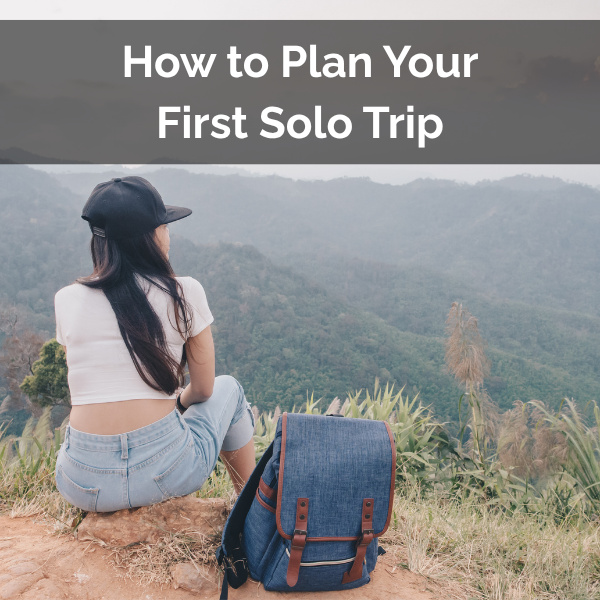
Planning your first solo trip can feel exciting, but it can also feel a little overwhelming. You may be asking yourself where to go, how much money to save, what to book first, what to pack, and how to stay safe when you are traveling alone.
That nervous feeling is normal. A first solo trip is not just about booking a flight and packing a bag. It is about learning how to make decisions for yourself, trust your judgment, and create a travel plan that feels realistic instead of stressful.
The good news is that you do not need to plan a perfect trip. You just need a clear, simple plan that helps you feel prepared. This guide will walk you through how to plan your first solo trip step by step, from choosing your destination to packing smart and staying safe on the road.
Why Your First Solo Trip Should Be Simple
For your first solo trip, simple is better.
You do not need to visit five countries, book complicated transport, or create a packed itinerary from sunrise to midnight. A good first solo trip should help you build confidence, not exhaust you.
Choose a trip that feels exciting but manageable. That could mean a weekend in a nearby city, a short domestic trip, or one beginner-friendly international destination where transportation, accommodation, and basic travel information are easy to understand.
When planning your first solo trip, focus on three things:
- Feeling safe and prepared
- Keeping your itinerary realistic
- Giving yourself room to enjoy the experience
Solo travel becomes easier when you do not overload the trip before it even begins.

Step 1: Choose the Right Destination
Your destination will shape your entire trip, so choose carefully. The “best” destination is not always the most famous one. For your first solo trip, the best destination is one that matches your comfort level, budget, interests, and travel experience.
What to Look for in a First Solo Trip Destination
When comparing destinations, consider:
- Safety and general travel comfort
- Easy transportation
- Clear accommodation options
- Good internet access
- Plenty of things to do alone
- A travel style that fits your personality
- Language comfort or easy translation support
- Budget-friendly food and transport options
If you are nervous, choose a destination with strong tourism infrastructure. That usually means it is easier to find hotels, hostels, day tours, public transport information, and traveler reviews.
Solo Female Travel Tip
If you are planning your first solo trip as a woman, also research local customs, dress expectations, common scams, nightlife safety, and how other women travelers describe the destination. This does not mean you should travel in fear. It simply helps you make informed choices.
Step 2: Decide How Long Your First Solo Trip Should Be
A first solo trip does not need to be long. In fact, a shorter trip can be a smart way to start.
For many beginners, 3 to 7 days is a good first solo travel length. It gives you enough time to explore, but it does not feel too overwhelming.
Good First Solo Trip Lengths
A weekend trip is great if you want to test solo travel close to home.
A 4 to 5 day trip is ideal if you want a little more independence without committing to a long journey.
A 7 day trip works well if you are traveling internationally or visiting a destination with several activities.
Avoid planning too many stops on your first solo trip. Staying in one or two places is usually better than moving every day.
Step 3: Create a Realistic Travel Budget
Before booking anything, create a simple travel budget. This helps you avoid stress and gives you a clear idea of what kind of trip you can afford.
What to Include in Your Solo Trip Budget
Your budget should include:
- Flights or main transportation
- Accommodation
- Local transportation
- Food and drinks
- Activities and tours
- Travel insurance if you choose to use it
- SIM card or mobile data
- Emergency money
- Travel gear or packing essentials
- Visa or entry fees if required
Do not forget small expenses. Airport transfers, snacks, baggage fees, laundry, tips, and local transport can add up.

Simple Budgeting Tip
After estimating your full trip cost, add a small emergency buffer. Solo travelers should avoid spending every dollar planned because unexpected costs can happen.
Step 4: Book Accommodation Carefully
Accommodation matters a lot when you are traveling alone. The cheapest option is not always the best option. Look for places that are safe, well-reviewed, and located in a convenient area.
What to Look for in Solo Travel Accommodation
Before booking, check:
- Recent reviews
- Location and nearby transport
- Check-in time
- Front desk or host communication
- Safety features
- Cleanliness comments
- Wi-Fi quality
- Distance from main attractions
- Whether the area feels safe at night
For a first solo trip, staying in a central area can be worth paying a little more. It may reduce transport stress and help you feel more comfortable getting around.
Hotel, Hostel, or Vacation Rental?
Hotels can be good for privacy and comfort.
Hostels can be helpful if you want to meet other travelers, but choose highly rated hostels with good security and female-only dorm options if that matters to you.
Vacation rentals can work well for longer stays, but make sure the check-in process is clear and the location has strong reviews.
Helpful Travel Gear Suggestion: Travel Door Lock or Doorstop Alarm

Best For: Solo travelers staying in hotels, guesthouses, hostels, or private rooms.
What to Look For: Compact size, easy setup, clear instructions, and compatibility with common doors.
Why It Helps: A portable door lock or doorstop alarm may add extra peace of mind in some accommodation settings. It should not replace choosing safe accommodation, reading reviews, and using normal room security, but it can be a helpful addition for some solo travelers.
Step 5: Plan Transportation Before You Arrive
One of the most stressful parts of solo travel is arriving in a new place and not knowing how to get to your accommodation. Plan this part before your trip.
Arrival Plan Checklist
Before you arrive, know:
- How to get from the airport, train station, or bus station to your accommodation
- Approximate travel time
- Approximate cost
- Whether taxis, rideshares, trains, or buses are safer and easier
- Your accommodation address saved offline
- A backup transport option
If you arrive late at night, consider booking a reliable transfer or choosing accommodation close to your arrival point.
Download Offline Maps
Download offline maps before your trip. This is useful if your phone data does not work immediately or Wi-Fi is unavailable when you arrive.
Helpful Travel Gear Suggestion: Portable Charger

Best For: Long travel days, airport arrivals, maps, transport apps, and solo travelers who rely on their phone.
What to Look For: Lightweight size, enough battery capacity for your needs, fast charging, and compatibility with your phone.
Why It Helps: A portable charger helps keep your phone available for navigation, bookings, translation apps, emergency contacts, and transportation.
Step 6: Build a Flexible Itinerary
A solo trip itinerary should give you direction, not pressure. You do not need to schedule every minute.
How to Plan Your Daily Itinerary
Choose one or two main activities per day. Then add optional things nearby if you have extra time and energy.
For example:
- Morning: Visit one major attraction
- Afternoon: Explore a neighborhood or café
- Evening: Return before dark or choose a safe dinner spot nearby
This type of itinerary gives structure without making the trip feel rushed.
Keep Your First Day Easy
Your first day should be simple, especially after a flight or long journey. Plan to arrive, check in, eat, walk around the nearby area, and rest.
Avoid booking expensive tours or complicated activities immediately after arrival in case of delays or tiredness.
Step 7: Prepare Your Travel Documents
Keeping your documents organized is one of the most important parts of planning your first solo trip.
Important Travel Documents to Prepare
Depending on your trip, you may need:
- Passport or ID
- Visa or entry documents
- Flight confirmation
- Accommodation booking
- Travel insurance information if applicable
- Emergency contact list
- Copies of important documents
- Driver’s license if needed
- Tour or activity confirmations
Keep both digital and printed copies. Store digital copies in your phone and email or cloud storage. Keep printed copies separate from your original passport.
Helpful Travel Gear Suggestion: Travel Wallet or Passport Holder

Best For: International trips, airport days, and travelers who want documents in one organized place.
What to Look For: Passport slot, card slots, zipper closure, slim design, strong stitching, and enough space for boarding passes or cash.
Why It Helps: A travel wallet can help keep your passport, cards, cash, and booking details easier to find during airport check-ins, border control, and hotel arrivals.
Step 8: Pack Smart, Not Heavy
Packing for your first solo trip should be practical. Since you will carry your own bag, choose items that are useful, comfortable, and easy to manage.
Basic First Solo Trip Packing List
Bring:
- Comfortable clothing
- Walking shoes
- Light jacket or layer
- Toiletries
- Travel documents
- Phone and charger
- Portable charger
- Basic medicine or first aid items
- Reusable water bottle
- Travel lock
- Small day bag
- Personal safety items allowed at your destination
Avoid packing too many shoes, full-size toiletries, heavy electronics, or outfits you are unlikely to wear.
Pack for Your Destination
Check weather, local customs, and planned activities before packing. A beach trip, city trip, hiking trip, and winter trip all need different packing choices.
Helpful Travel Gear Suggestion: Packing Cubes

Best For: Carry-on travelers, overpackers, multi-destination trips, and travelers who want an organized bag.
What to Look For: Lightweight fabric, different sizes, strong zippers, breathable mesh, and compression options if you need to save space.
Why It Helps: Packing cubes help separate clothes and make it easier to find what you need without unpacking your whole bag.
Step 9: Make a Simple Safety Plan
Safety planning should help you feel calmer, not scared. You do not need to expect problems, but you should know what you would do if something goes wrong.
Solo Travel Safety Checklist
Before your trip:
- Share your itinerary with someone you trust
- Save emergency numbers
- Research common scams
- Know your accommodation address
- Keep backup money separate
- Avoid sharing too much real-time location publicly
- Choose safe transportation
- Trust your instincts
- Keep your phone charged
- Know how to contact your accommodation
During the Trip
Stay aware of your surroundings, especially at night, in crowded places, and when using public transport. If a situation feels uncomfortable, leave. You do not need to be polite to strangers who make you feel unsafe.
Helpful Travel Gear Suggestion: Anti-Theft Crossbody Bag

Best For: Solo travelers, city sightseeing, public transportation, airports, and crowded tourist areas.
What to Look For: Secure zippers, comfortable crossbody strap, organized compartments, lightweight material, and a size that fits daily essentials.
Why It Helps: An anti-theft style crossbody bag can help keep important items close and organized while exploring busy areas.
Step 10: Plan How You Will Stay Connected
Staying connected makes solo travel easier. You can use maps, message family, book transport, translate signs, and check information quickly.
Connection Options
You can use:
- International roaming
- Local SIM card
- eSIM
- Portable Wi-Fi device
- Wi-Fi from hotels, cafés, or airports
Choose the option that fits your destination and budget. For many travelers, an eSIM or local SIM card is convenient, but availability depends on your phone and destination.
Communication Safety Tip
Share your general plans with someone you trust, but avoid posting your exact location publicly in real time. It is safer to share photos and updates after you leave a place.
Step 11: Book a Few Activities, But Leave Free Time
Activities can help your first solo trip feel more enjoyable. A walking tour, food tour, museum visit, cooking class, or day trip can give you structure and help you meet people.
But do not overbook.
A good first solo trip includes a balance of planned activities and free time. You may discover a neighborhood you want to explore longer, feel tired after travel, or simply want to sit in a café and enjoy being there.
Step 12: Prepare Mentally for Solo Travel
Solo travel is not only about logistics. It is also emotional.
You may feel nervous before leaving. You may feel lonely for a moment during the trip. You may also feel proud, peaceful, excited, and more capable than you expected.
Tips to Feel More Confident
Start small. Choose simple plans. Prepare your first day clearly. Keep emergency contacts ready. Remind yourself that you can solve problems one step at a time.
You do not need to feel fearless to travel alone. You only need to feel prepared enough to begin.

Buyer’s Guide: Useful Products for Planning Your First Solo Trip
Since this article includes travel gear suggestions, here is a simple buyer’s guide to help readers choose wisely.
Choose Products That Solve a Real Problem
Do not buy travel gear just because it looks popular. Ask what problem it solves. Does it help with organization, comfort, safety, charging, packing, or document protection?
Prioritize Lightweight and Compact Items
Solo travelers carry everything themselves. Choose compact items that do not add unnecessary weight.
Check Size and Compatibility
Before buying travel gear, check:
- Product dimensions
- Airline carry-on rules
- Phone or device compatibility
- Destination plug types
- Material and durability
- Return policy
- Recent customer photos and reviews
Avoid Overbuying Before Your First Trip
For your first solo trip, start with basics. Useful items may include packing cubes, a portable charger, a travel wallet, a secure day bag, and a small safety item for accommodation. You can always upgrade later once you understand your travel style.
First Solo Trip Planning Checklist
Use this quick checklist before you go:
- Choose a beginner-friendly destination
- Set your trip length
- Create a travel budget
- Book safe accommodation
- Plan arrival transportation
- Save offline maps
- Prepare travel documents
- Pack light and practical items
- Share your itinerary with someone trusted
- Save emergency contacts
- Arrange phone data or SIM option
- Plan a flexible itinerary
- Keep backup money and cards separate
- Check weather and local customs
- Leave space for rest and flexibility
FAQs About How to Plan Your First Solo Trip
How do I plan my first solo trip?
Start by choosing a simple, beginner-friendly destination. Set a budget, book safe accommodation, plan your arrival transportation, prepare documents, pack light, and create a flexible itinerary. Focus on feeling prepared instead of planning every minute.
Where should I go for my first solo trip?
Choose a destination that feels manageable for your comfort level. Look for easy transportation, safe accommodation options, clear travel information, and activities you can enjoy alone. A short domestic trip or a popular beginner-friendly international destination can be a good start.
How long should my first solo trip be?
For many beginners, 3 to 7 days is a good length. It gives you enough time to experience solo travel without feeling too overwhelming. A weekend trip is also a good option if you want to start small.
Is solo travel safe for beginners?
Solo travel can be safe with thoughtful planning, awareness, and good decision-making. Research your destination, choose safe accommodation, keep your phone charged, share your plans with someone trusted, and trust your instincts during the trip.
What should I pack for my first solo trip?
Pack comfortable clothes, walking shoes, toiletries, travel documents, phone charger, portable charger, basic first aid items, a small day bag, and practical safety items. Avoid overpacking because you will carry everything yourself.
How do I avoid feeling lonely while traveling alone?
Book a walking tour, stay in social accommodation, visit cafés, join group activities, or use travel communities carefully. Also remember that quiet moments are part of solo travel and can become one of the most meaningful parts of the experience.
Should I book everything before my first solo trip?
Book your flights, accommodation, and first arrival transportation before you go. You can also book one or two key activities. Leave some free time so your trip does not feel too rigid or stressful.
Conclusion: Your First Solo Trip Does Not Need to Be Perfect
Planning your first solo trip may feel like a big step, but it becomes easier when you break it into simple decisions. Choose a destination that feels manageable, create a realistic budget, book safe accommodation, plan your arrival, pack thoughtfully, and give yourself a flexible itinerary.
You do not need to know everything before you go. You just need enough preparation to feel confident taking the first step.
Solo travel can teach you how capable you are, but it does not require you to be fearless. Start small, plan smart, trust your instincts, and let your first solo trip become the beginning of many more confident adventures.
What to Pack for Your First Solo Trip: A Practical Packing Guide for Beginners
Best Travel Friendly Wardrobes for Female Travelers
How to Manage Solo Female Travel Anxiety and Enjoy Your Journey